First-time visitor
Beijing + Shanghai
Familiar classics, plenty of English menus and easy transit.
Try: Peking duck, xiaolongbao, jianbing — Beijing + Shanghai
A foreigner's guide to eating in China
A practical food guide for travelers visiting China — what to eat, which dishes to try, and where to find them in Beijing, Shanghai, Chengdu, Xi'an, Guangzhou and beyond.
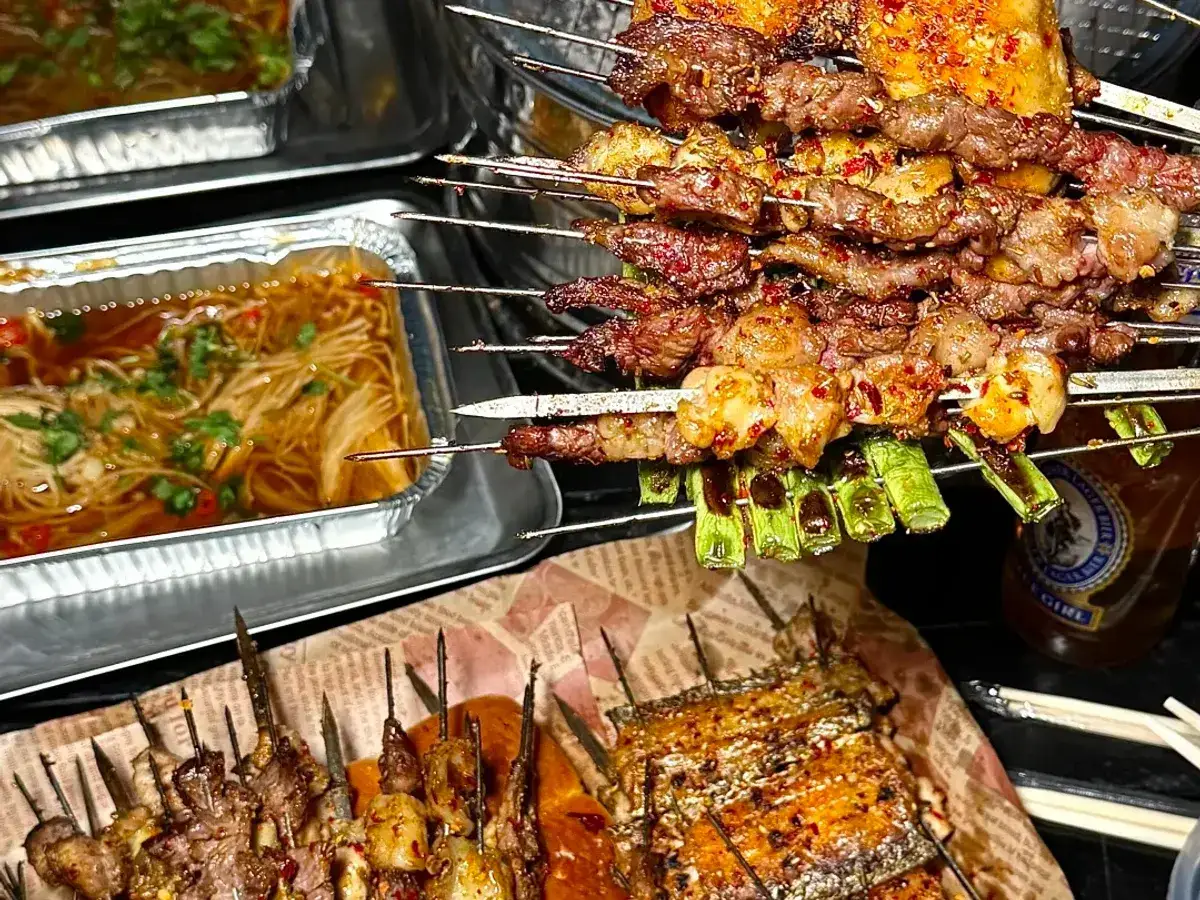
Built for the moment you are hungry in a new city.
I'm eating in
Peking duck
120-220 RMB北京烤鸭 · Běijīng kǎoyā
Order it
我要一只烤鸭 wǒ yào yì zhī kǎoyā
Beijing fried sauce noodles
15-30 RMB炸酱面 · Zhájiàng miàn
Order it
一碗炸酱面 yì wǎn zhájiàng miàn
Candied hawthorn skewers
8-15 RMB糖葫芦 · Tánghúlu
Order it
一串糖葫芦 yí chuàn tánghúlu
Find your trip
Beijing + Shanghai
Familiar classics, plenty of English menus and easy transit.
Try: Peking duck, xiaolongbao, jianbing — Beijing + Shanghai
Chengdu + Chongqing + Changsha
Sichuan pepper and chili in the places where they were born.
Try: Mapo tofu, hot pot, dan dan noodles
Guangzhou + Hangzhou
Buddhist restaurants and tofu dishes make meat-free easy.
Try: Mapo tofu, dim sum, temple food
Xi'an + Chengdu
Filling street food from 8-30 RMB keeps daily costs low.
Try: Roujiamo, jianbing, noodles — under 40 RMB a day
Shanghai + Guangzhou
Mild, bite-sized dishes that most children will try.
Try: Xiaolongbao, dim sum, wonton noodles — all mild
Quick decision tree
IF You only have 3 days
Go to Beijing
Peking duck, jianbing and noodles in one compact trip.
IF You live for spice
Go to Chengdu or Chongqing
Hot pot and mapo tofu where the heat was born.
IF You prefer light, fresh flavors
Go to Guangzhou
Cantonese dim sum and clear, sweet broths.
IF You want wheat and street food
Go to Xi'an
Roujiamo and hand-torn lamb paomo.
IF You want maximum variety
Base yourself in Shanghai
Soup dumplings plus quick access to eastern flavors.
Eight regional cuisines
川
numbing, fiery, bold
Chengdu, Chongqing
Try: Mapo tofu, dan dan noodles, hot pot
Sichuan cooking is built on chili heat and the numbing tingle of Sichuan pepper, called málà. Taste it at the source in Chengdu and Chongqing.
粤
fresh, sweet, delicate
Guangzhou, Hong Kong
Try: Wonton noodles, dim sum, roast goose
Cantonese food prizes freshness, with light seasoning that lets seafood, roast meats and dim sum speak. Yum cha — small plates with morning tea — is the must-do ritual.
鲁
savory, seafood-forward
Qingdao, Jinan
Try: Jiaozi, braised sea cucumber, sweet and sour carp
Shandong (Lu) cuisine is the savory, seafood-forward foundation of northern cooking: rich broths, braised seafood and wheat staples like jiaozi.
苏
soft, sweet, precise
Nanjing, Suzhou
Try: Xiaolongbao, sweet and sour ribs, salted duck
Jiangsu (Su) cuisine is known for soft textures, gentle sweetness and precise knife work — the most elegant of the eight.
湘
bright, sour, hot
Changsha
Try: Chili stir-fries, smoked bacon, stinky tofu
Hunan (Xiang) food is bright, sour and assertively hot, using fresh chili rather than Sichuan's numbing pepper. The spiciest of the eight.
浙
clean, fresh, elegant
Hangzhou
Try: West Lake fish, dongpo pork, longjing shrimp
Zhejiang (Zhe) cuisine is clean, fresh and subtly sweet, built on lake fish, bamboo shoots and tea — the lightest of the eight.
闽
umami, broth-focused
Fuzhou, Xiamen
Try: Buddha jumps over the wall, oyster omelette, fish balls
Fujian (Min) cuisine is broth-obsessed and umami-rich, from Buddha Jumps Over the Wall to oyster omelettes and fish balls.
徽
rustic, braised, earthy
Huangshan
Try: Stinky mandarin fish, braised turtle, hairy tofu
Anhui (Hui) cuisine is rustic, braised and earthy, rooted in the mountains around Huangshan — try stinky mandarin fish and hairy tofu.
Flavor at a glance
Compare spice, sweetness and richness across the eight great cuisines before you order.
| Cuisine | Spice | Sweetness | Richness |
|---|---|---|---|
| Sichuan 川 | | | |
| Hunan 湘 | | | |
| Anhui 徽 | | | |
| Jiangsu 苏 | | | |
| Cantonese 粤 | | | |
| Zhejiang 浙 | | | |
| Fujian 闽 | | | |
| Shandong 鲁 | | | |
What to eat first
Filter by heat or dietary need before you land.
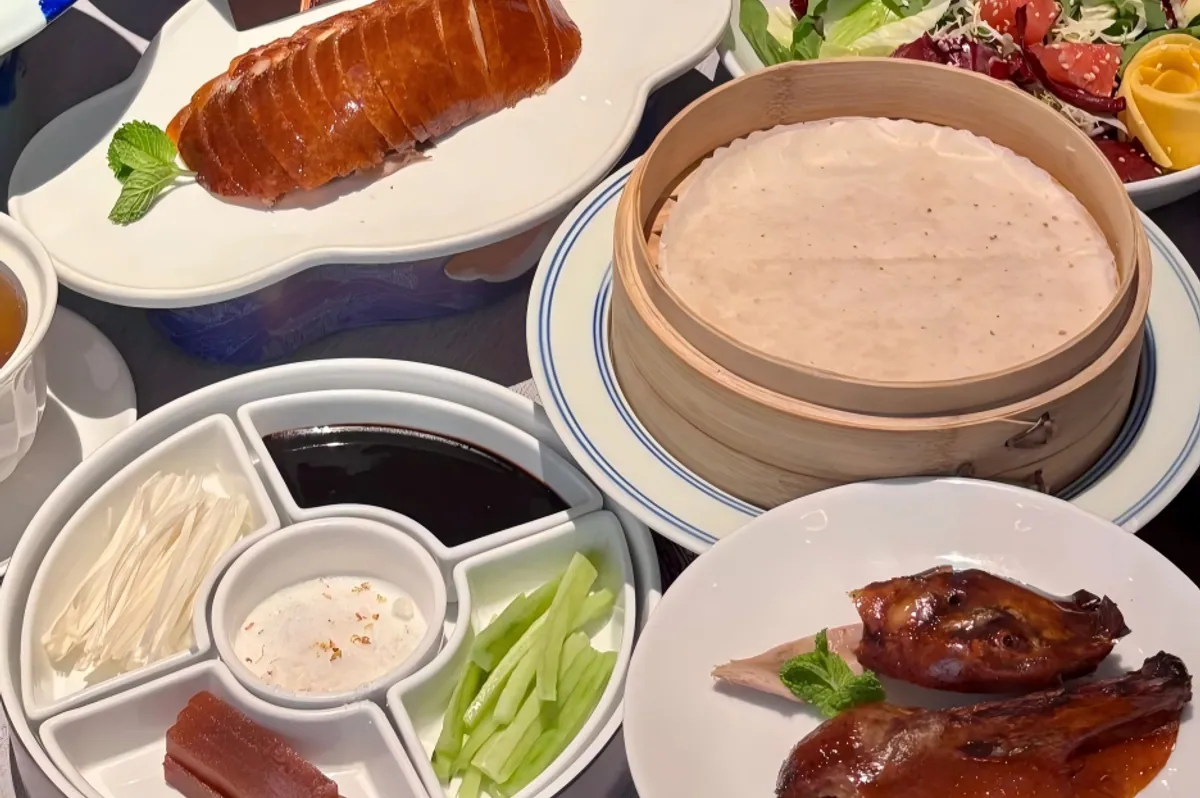 Beijing
 北京烤鸭 / Běijīng kǎoyā
Crisp lacquered duck with pancakes, scallion, cucumber and sweet bean sauce — Beijing's imperial signature.
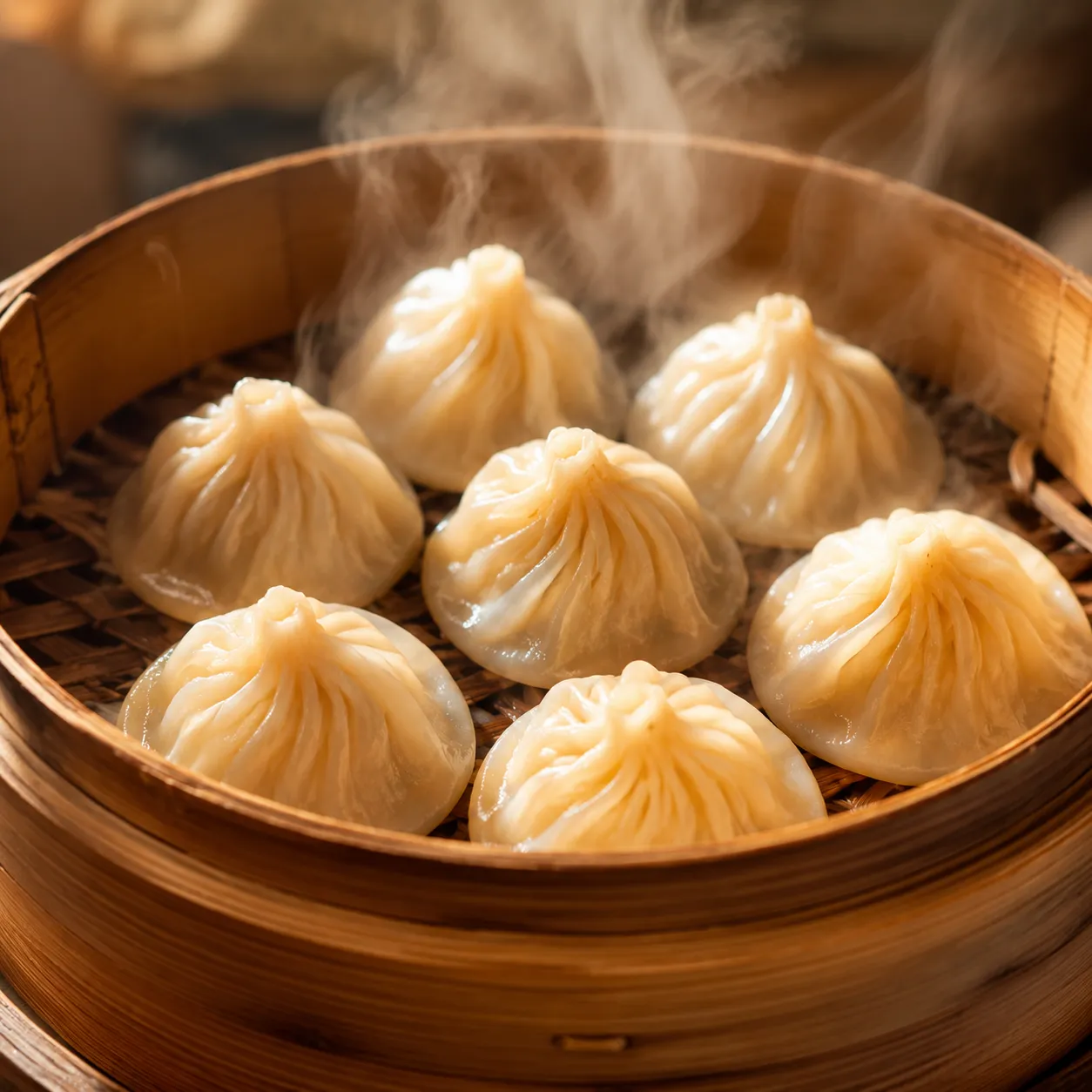 Shanghai
 小笼包 / Xiǎolóngbāo
Thin-skinned pork dumplings filled with hot broth — bite a hole, sip, then dip in black vinegar.
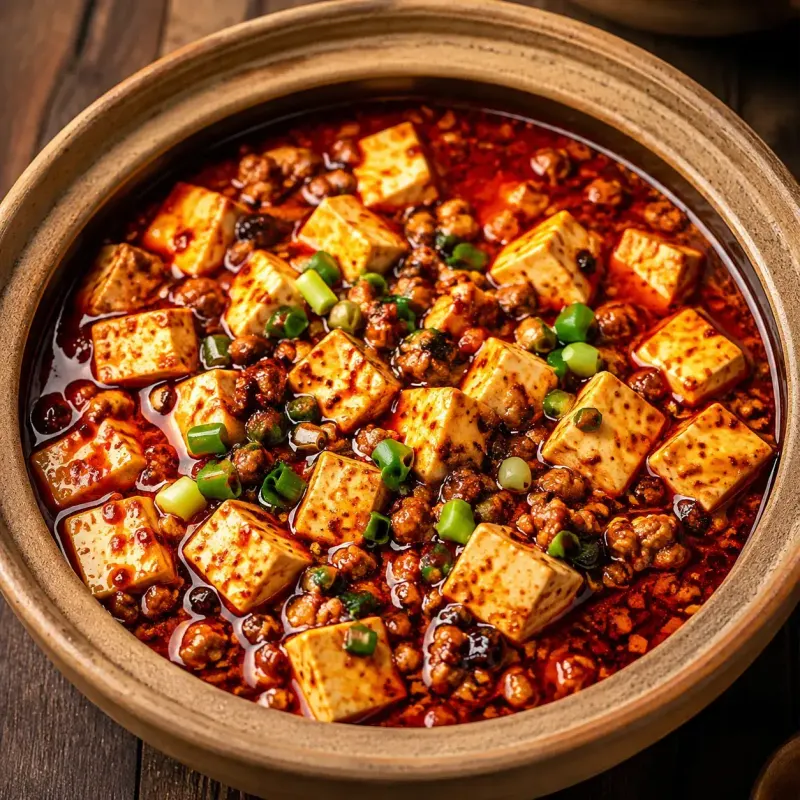 Chengdu
 麻婆豆腐 / Mápó dòufu
Silken tofu in a numbing sauce of doubanjiang, Sichuan pepper and minced beef — the purest Chengdu málà.
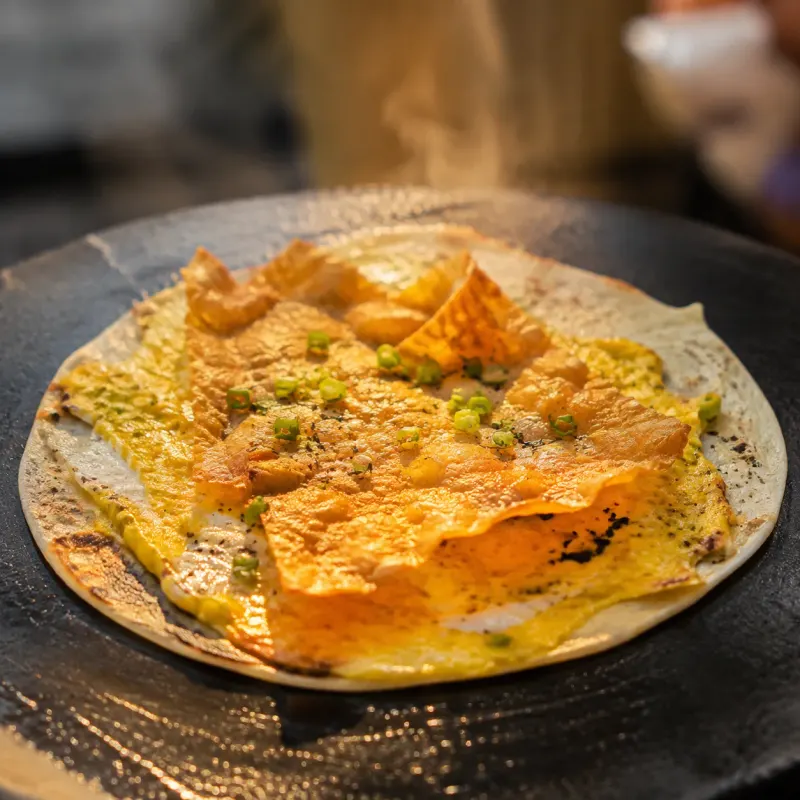 Tianjin
 煎饼 / Jiānbing
A griddled crepe folded around egg, scallion, a crisp cracker and savory sauces — China's grab-and-go breakfast.
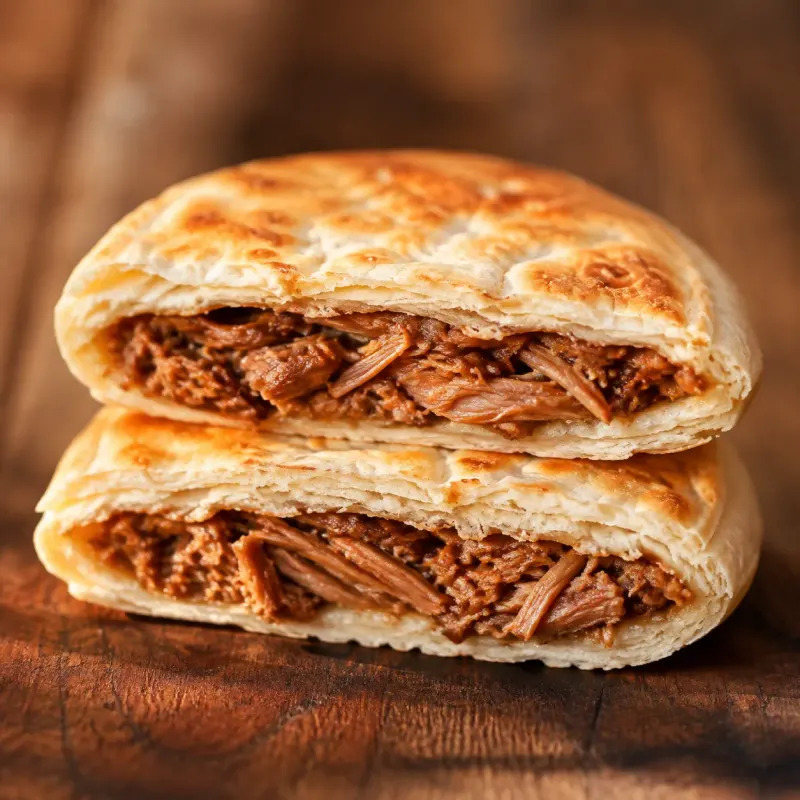 Xi'an
Xi'an 肉夹馍 / Ròujiāmó
Shredded braised pork in a warm crisp flatbread — the Chinese hamburger, palm-sized and spice-heavy.
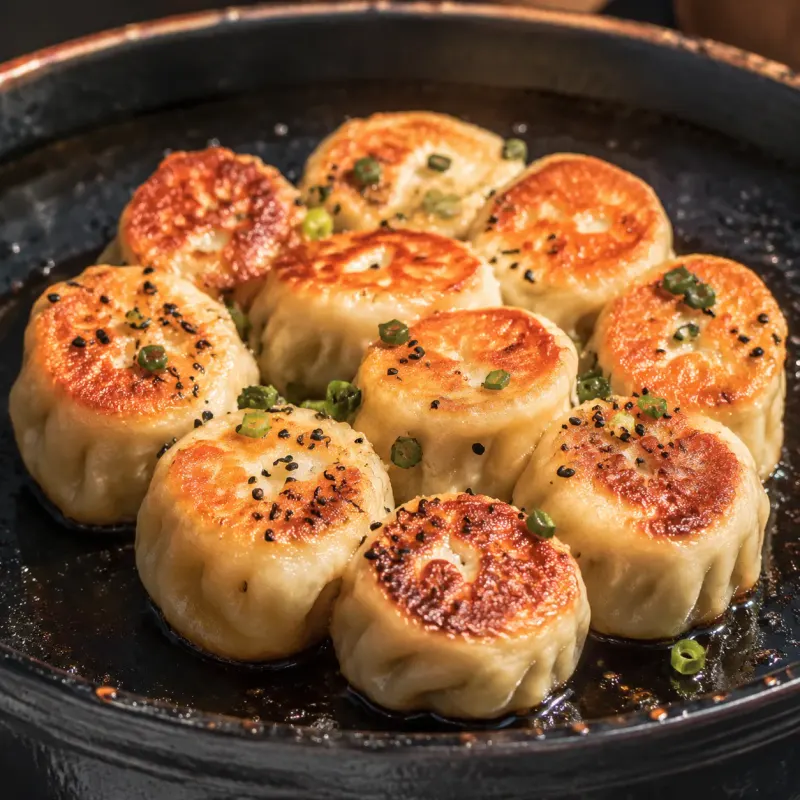 Shanghai
 生煎包 / Shēngjiānbāo
Pork buns pan-fried until the base crisps while the top stays soft — Shanghai's crunchy xiaolongbao.
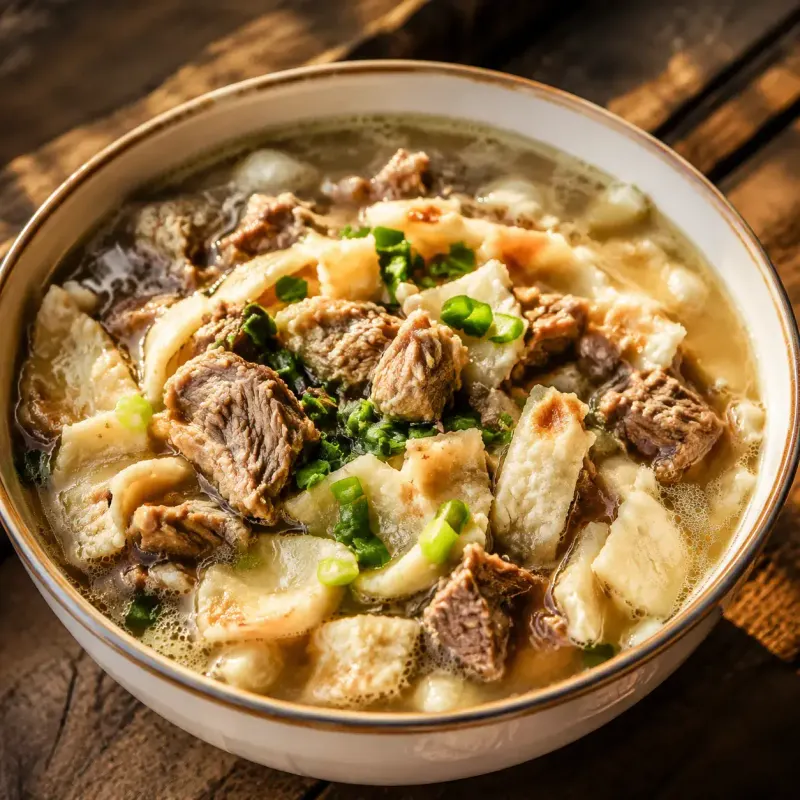 Xi'an
Xi'an 羊肉泡馍 / Yángròu pàomó
Rich lamb broth poured over bread you tear yourself, with pickled garlic and chili paste — a Xi'an ritual.
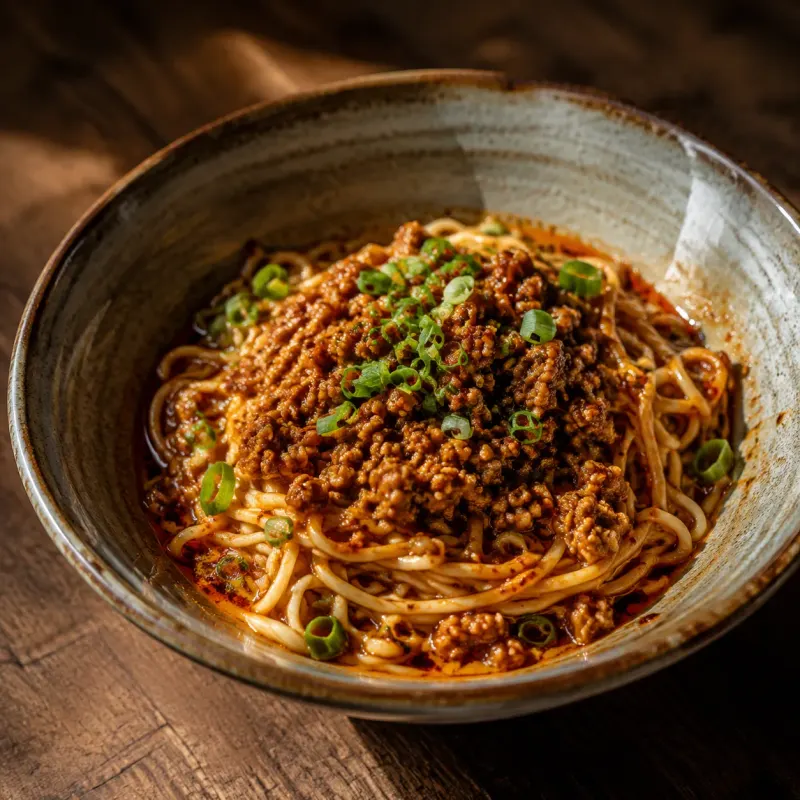 Chengdu
 担担面 / Dàndàn miàn
Springy noodles in sesame-chili sauce with preserved vegetables and minced pork, named for peddlers' shoulder poles.
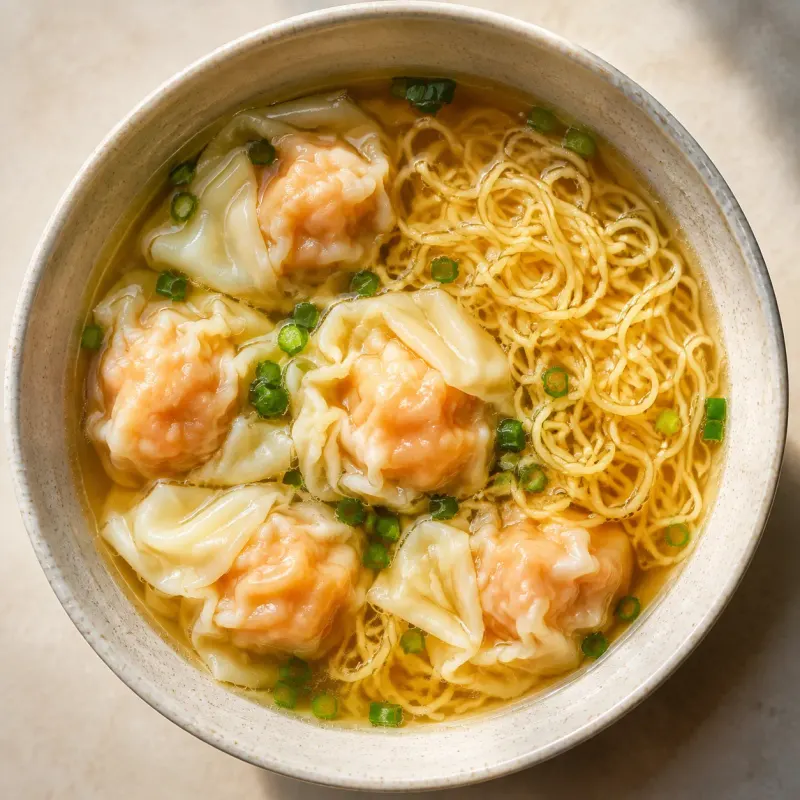 Guangzhou
 云吞面 / Yúntūn miàn
Shrimp wontons and thin egg noodles in a clear sweet broth — a Cantonese comfort classic.
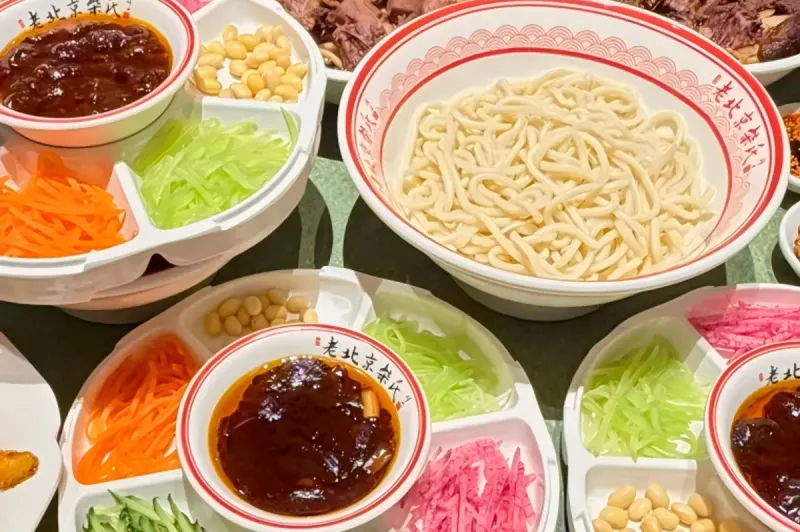 Beijing
 炸酱面 / Zhájiàng miàn
Noodles tossed with salty fermented soybean paste and fresh vegetables — a Beijing lunch staple you mix yourself.
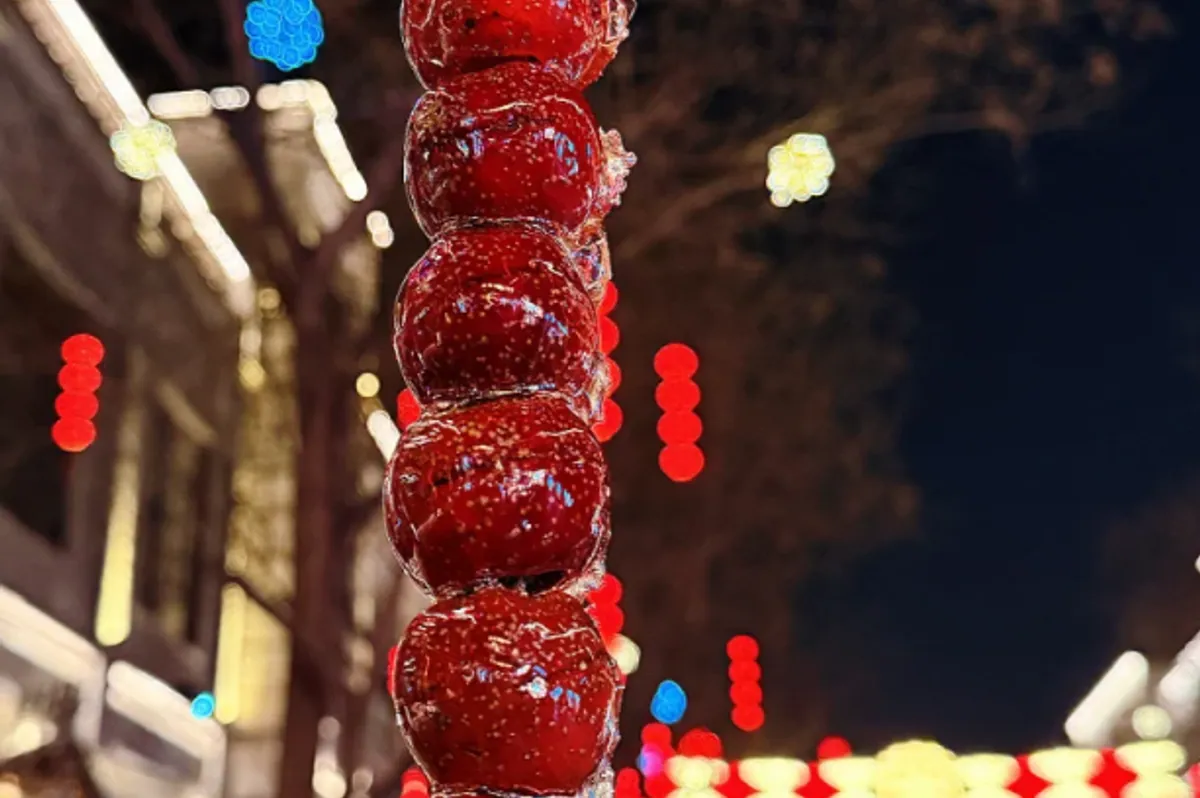 Beijing
 糖葫芦 / Tánghúlu
Hawthorn berries on a stick coated in a crackling sugar shell — a sweet-tart winter street snack.
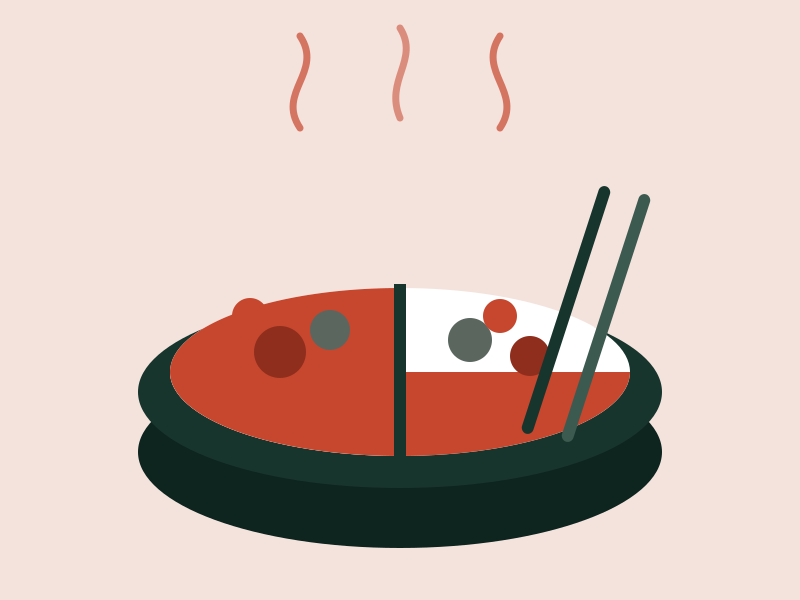 Chongqing
 火锅 / Huǒguō
A bubbling pot of chili broth where you cook meat, tofu and vegetables — order the half-spicy yuan-yang pot and dip in sesame oil.
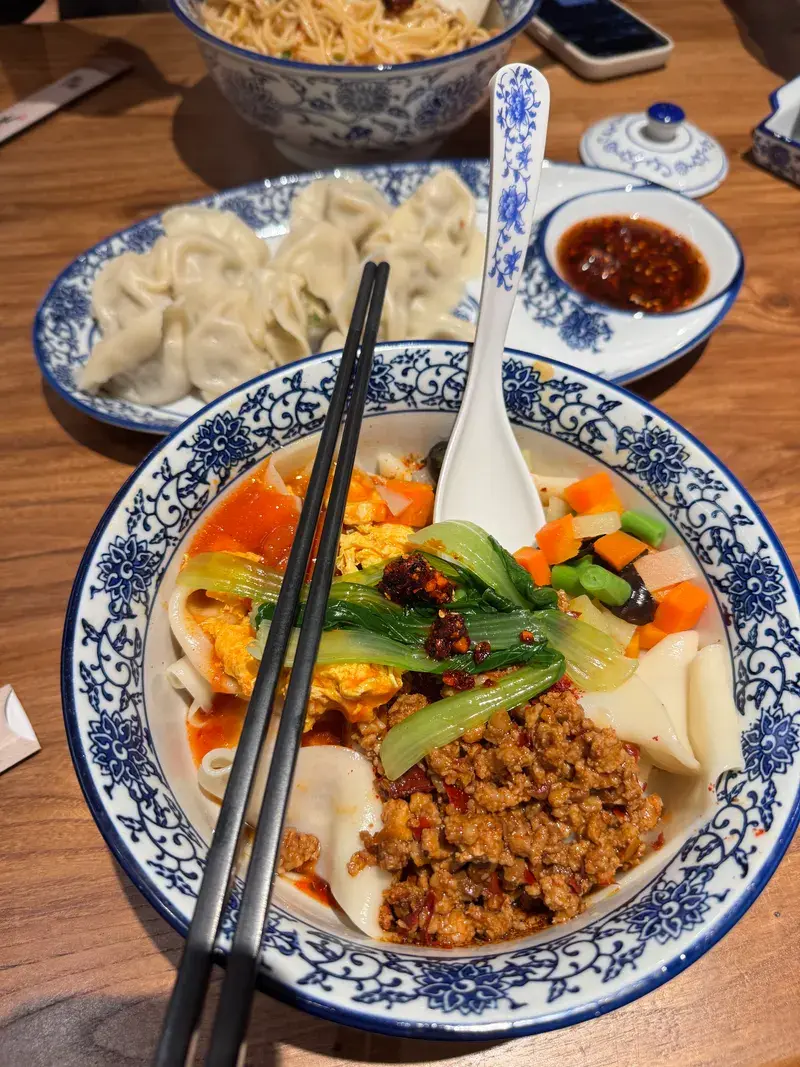 Xi'an
Xi'an Biangbiang 面 / Biangbiang miàn
Ribbon-wide noodles splashed with hot chili oil, garlic and scallions — the name mimics dough slapping the counter.
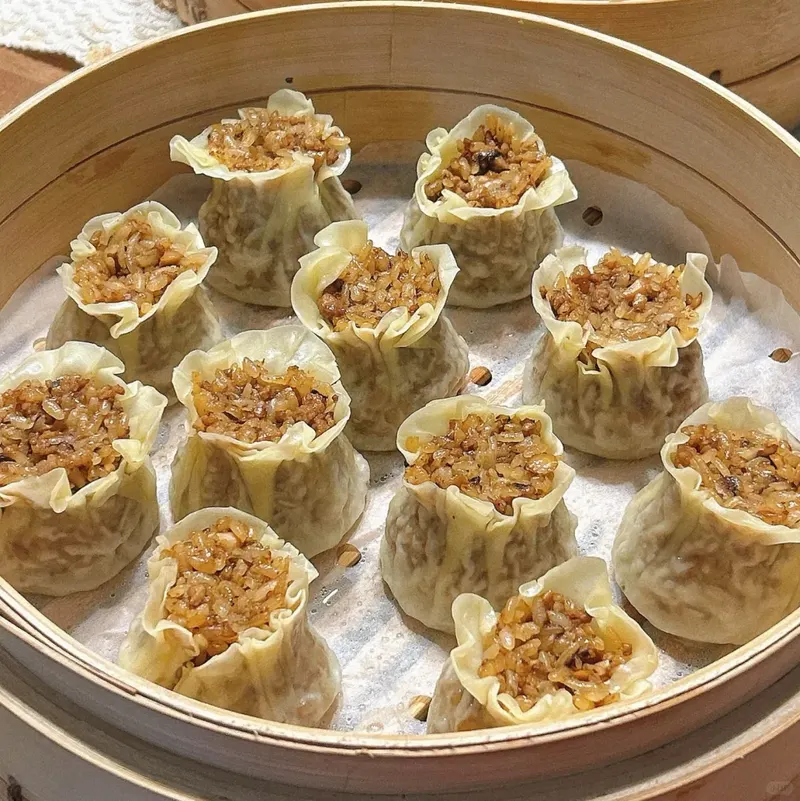 Guangzhou
 点心 / Diǎnxīn
A parade of small plates — dumplings, rice rolls and baozi — rolled past your table; pick, share, finish with tea. Har gow and siu mai to start.
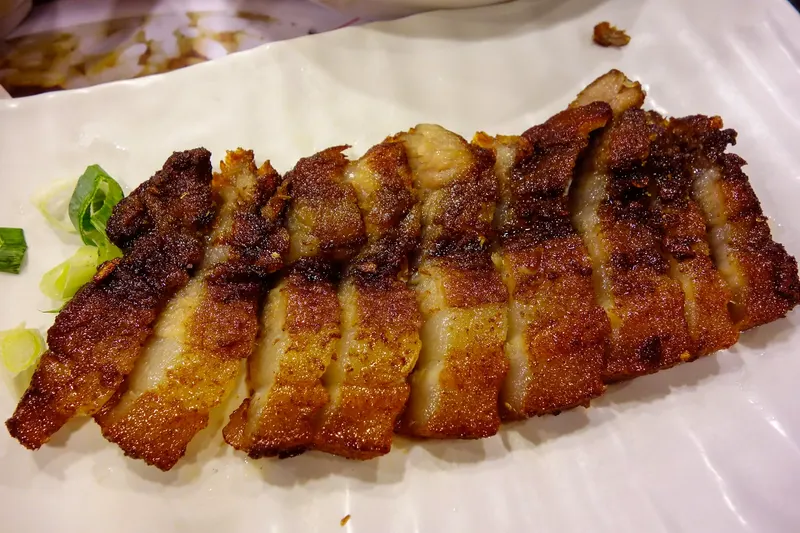 Guangzhou
 叉烧 / Chāshāo
Sweet, glossy roast pork with caramelized edges — honey, maltose and five-spice; juicier than takeout.
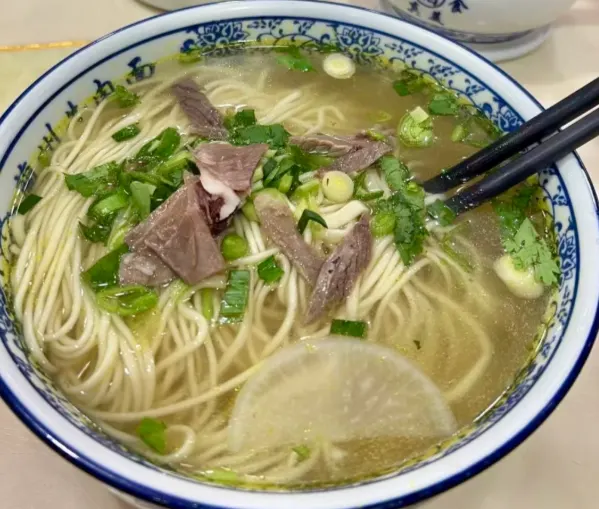 Lanzhou
 兰州牛肉面 / Lánzhōu niúròu miàn
Hand-pulled noodles in clear beef broth with sliced beef, radish and chili oil — pulled to order in eight widths.
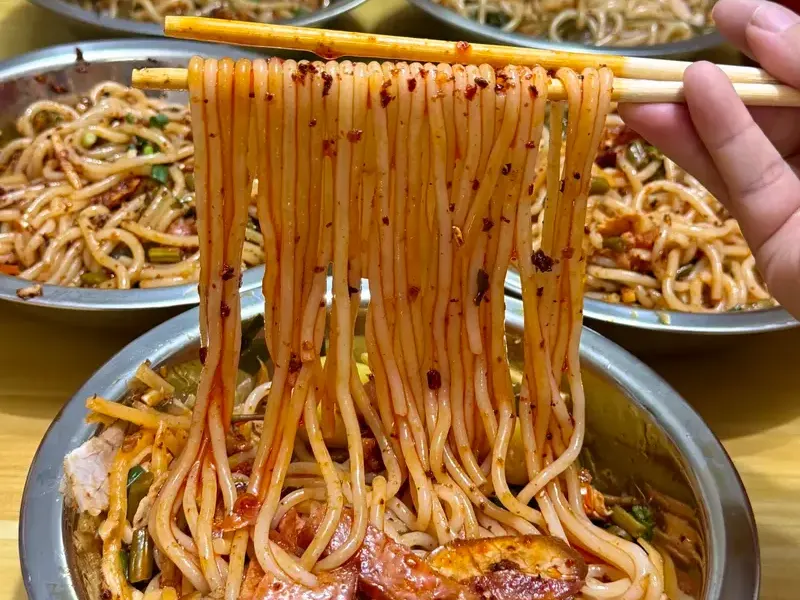 Guilin
 桂林米粉 / Guìlín mǐfěn
Rice noodles in a dark savory brine with crispy pork, pickled beans and peanuts — every shop guards its lǔshuǐ recipe.
Decide in one glance
Match a city to your flavor, budget and pace.
| City | Best for | Must-try | Food budget / day | Days |
|---|---|---|---|---|
| Beijing 北京 | imperial classics + breakfast | Peking duck, zhajiangmian | 160-280 RMB/day | 3-4 days |
| Chengdu 成都 | numbing spice + slow living | Mapo tofu, dan dan noodles | 120-220 RMB/day | 3-5 days |
| Xi'an 西安 | northwest wheat + halal food | Roujiamo, lamb paomo | 100-180 RMB/day | 2-4 days |
| Shanghai 上海 | refined snacks + soup dumplings | Xiaolongbao, shengjianbao | 180-320 RMB/day | 2-3 days |
| Guangzhou 广州 | dim sum + Cantonese freshness | Wonton noodles, dim sum | 150-260 RMB/day | 2-3 days |
| Chongqing 重庆 | hot pot + mountain-city energy | Chongqing hot pot, xiaomian | 130-240 RMB/day | 2-3 days |
| Hangzhou 杭州 | lake-shore elegance + Zhejiang flavor | West Lake fish, dongpo pork | 140-260 RMB/day | 2-3 days |
| Guilin 桂林 | rice noodles + riverside street food | Guilin rice noodles, beer fish | 90-170 RMB/day | 2-3 days |
Where to eat by city
Eight cities, each with a distinct flavor, budget and pace.
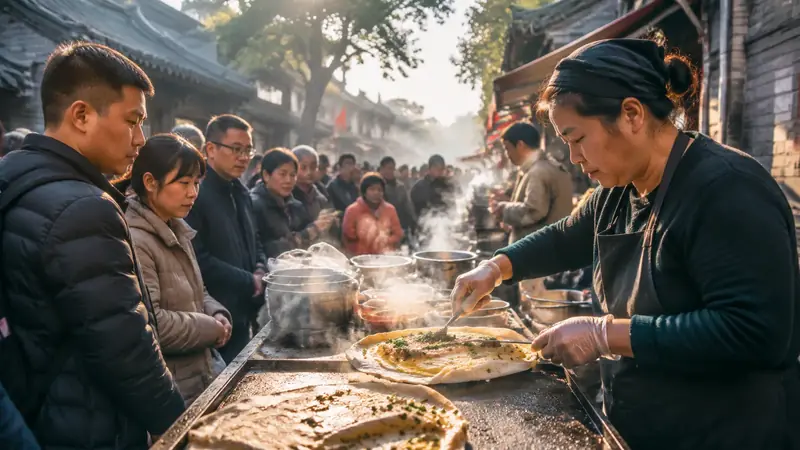
北京
imperial classics + breakfast.
Imperial dining meets street snacking: Peking duck, jianbing breakfasts, zhajiangmian lunches. Work Guijie at night, Niujie for halal snacks.
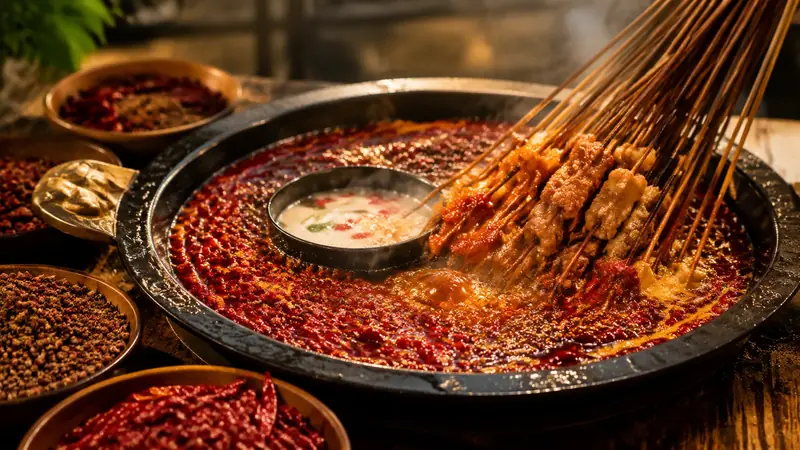
成都
numbing spice + slow living.
A UNESCO City of Gastronomy and home of málà. Mapo tofu and dan dan noodles are the musts; teahouse afternoons, hot pot nights.
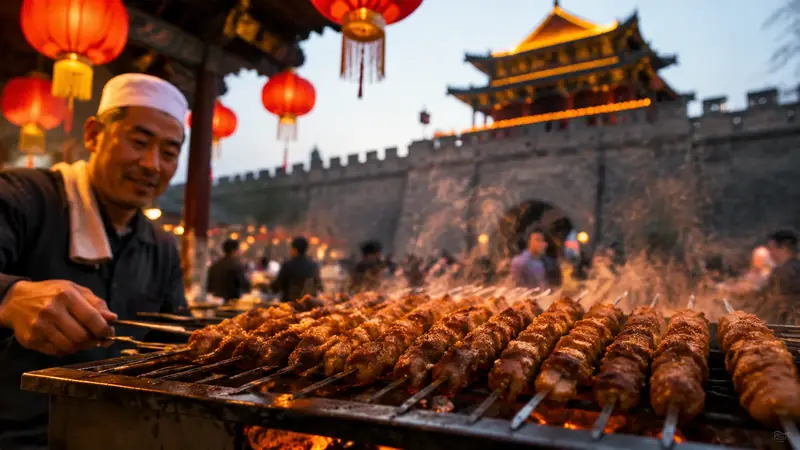
西安
northwest wheat + halal food.
Wheat country — roujiamo, lamb paomo, biangbiang noodles — with strong halal culture in the Muslim Quarter. Cheap and filling.
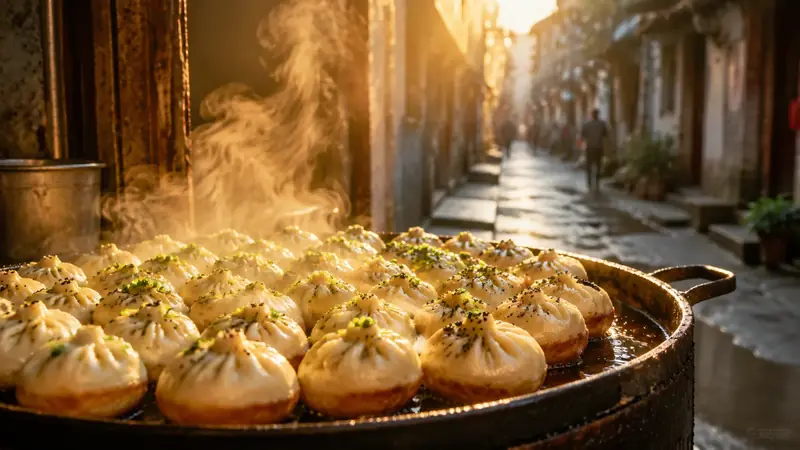
上海
refined snacks + soup dumplings.
Refined northern and southern cooking into its own style: xiaolongbao, shengjianbao and deep Jiangsu-Zhejiang flavors.
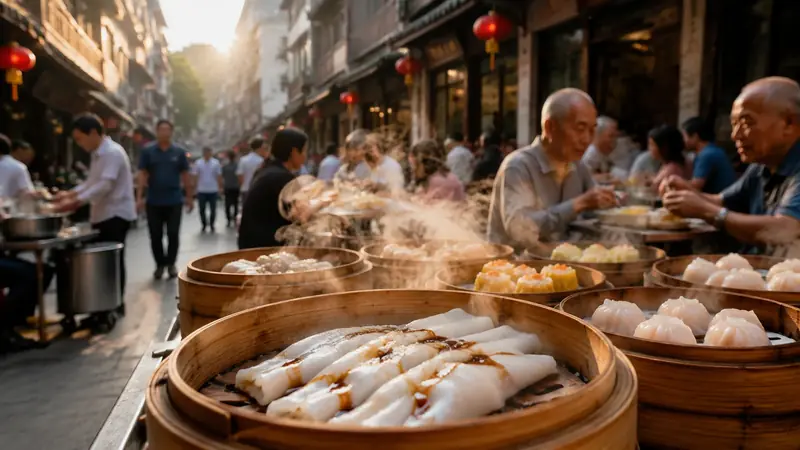
广州
dim sum + Cantonese freshness.
Cantonese food's birthplace and China's most obsessive eating city, from dawn dim sum to late-night wonton noodles.
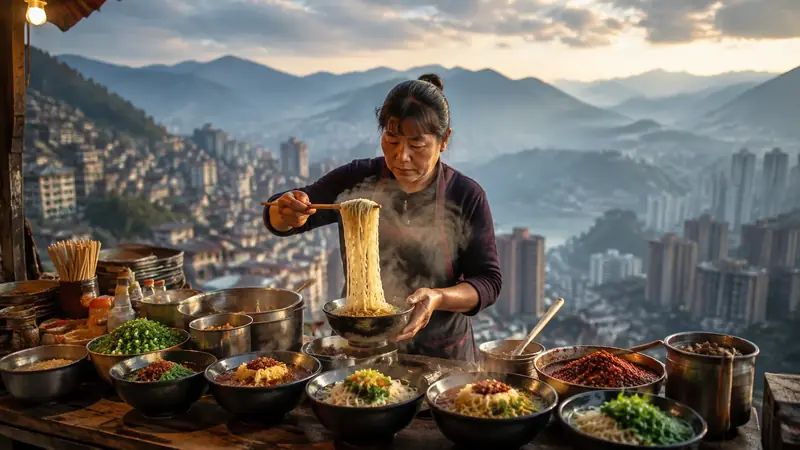
重庆
hot pot + mountain-city energy.
Hot pot's spiritual home — a mountain city where chili-butter broth is a way of life. Xiaomian fills the gaps.
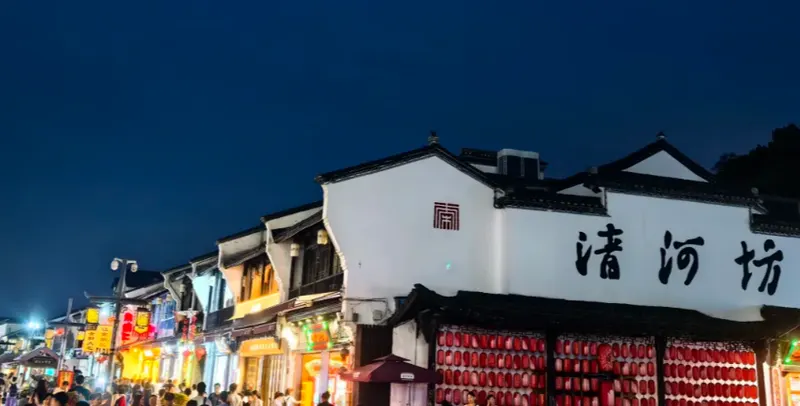
杭州
lake-shore elegance + Zhejiang flavor.
Famous scenery meets refined cooking: West Lake fish, dongpo pork and longjing shrimp, best eaten slowly with tea.

桂林
rice noodles + riverside street food.
One big food story: 10 RMB rice-noodle breakfasts, Li River beer fish and night markets of stinky tofu and river snails.
Food trip templates
Beijing
The fastest taste of imperial classics and breakfast street food.
Eat: Peking duck · jianbing · zhajiangmian · tanghulu
Beijing → Xi'an → Chengdu
From savory northern wheat to numbing Sichuan heat in a single week.
Eat: Peking duck · roujiamo · paomo · mapo tofu · dan dan noodles
Shanghai → Guangzhou → Chengdu → Beijing
Four regions, four cooking worlds, one continuous eating journey.
Eat: Xiaolongbao · wonton noodles · hot pot · Peking duck
Hangzhou
Tea fields, lake fish and old-street snacks in China's most scenic food city.
Eat: West Lake fish · longjing shrimp · dongpo pork · xiaolongbao
Food trip planner
Pick days, cities and limits — we shape a starting point.
Example starting route
3 days / 180-280 RMB food budget / any heat
Day 1
BeijingBreakfast
Explore freely
Try Guijie · Niujie · Huguosi
Lunch
Beijing fried sauce noodles / 炸酱面
Local to Beijing
Dinner
Peking duck / 北京烤鸭
Local to Beijing
Day 2
ChengduBreakfast
Explore freely
Try Jinli · Kuanzhai Alley · Yulin
Lunch
Dan dan noodles / 担担面
Local to Chengdu
Dinner
Explore freely
Try Jinli · Kuanzhai Alley · Yulin
Sample route. Use the form above to build your own.
National food map
Beijing and Xi'an anchor the north; Chengdu, Chongqing and Guangzhou the south.
What the names mean
Most dish names describe exactly what you will eat — ingredient, method or shape. Learn a few characters and the menu stops being a mystery.
Málà
Numbing and spicy
The two-part heat of Sichuan food: Sichuan pepper numbs your mouth while chili burns it. When you see 麻辣 on a menu, expect both.
Try saying: 麻辣火锅 málà huǒguō — numbing-spicy hot pot
Ròujiāmó
Xi'an-style sandwich
Meat stuffed inside bread — Xi'an's answer to the hamburger.
Try saying: 一个肉夹馍 yí gè ròujiāmó — one meat sandwich
Yángròu pàomó
Lamb and bread soup
Bread soaked in lamb broth — you tear the bread; the kitchen adds the stock.
Try saying: 一碗羊肉泡馍 yì wǎn yángròu pàomó — one bowl of lamb-bread soup
Dàndàn miàn
Dan dan noodles
Named for the pole peddlers used to carry the noodles — a pot on each end.
Try saying: 一碗担担面 yì wǎn dàndàn miàn — one bowl of dan dan noodles
Tánghúlu
Candied hawthorn skewers
Sugar-coated fruit like a string of tiny gourds — a winter classic.
Try saying: 一串糖葫芦 yí chuàn tánghúlu — one skewer of candied hawthorn
Yúntūn miàn
Wonton noodles
Wonton means 'swallowing clouds' — the pleated dumpling looks like clouds. Add 面 (noodles) for the Cantonese classic.
Try saying: 一碗云吞面 yì wǎn yúntūn miàn — one bowl of wonton noodles
Lánzhōu niúròu miàn
Lanzhou beef noodles
A city, a meat and a noodle — the name is the recipe. Hand-pulled to order in eight widths.
Try saying: 二细 èr xì — medium-fine width, the local favorite
Order without the panic
Point, play the audio, or show the Chinese text. No Mandarin needed.
I will have this one.
我要这个
wǒ yào zhè ge
Point at a menu item or a photo when ordering.
Not spicy, please.
不要辣
bú yào là
Say this before they cook, or ask to tone down the chili.
How much is it?
多少钱
duō shǎo qián
Use at street stalls and markets where prices are not posted.
That was delicious.
很好吃
hěn hǎo chī
A simple way to warm up any cook or stall owner.
Check, please.
买单
mǎi dān
Say it, or make a writing gesture, when you are ready to pay.
I cannot eat peanuts.
我不能吃花生
wǒ bù néng chī huā shēng
Show this clearly if you have a peanut allergy.
No cilantro, please.
不要香菜
bú yào xiāngcài
Cilantro is everywhere in China; say this if you dislike it.
Less chili, please.
少放辣椒
shǎo fàng làjiāo
For a milder version of a spicy dish.
Do you have vegetarian dishes?
有素食吗
yǒu sùshí ma
Use at casual restaurants to ask for meat-free options.
Can I get this to go?
可以打包吗
kěyǐ dǎbāo ma
For leftovers, or grabbing food on the run.
One more bowl of rice, please.
再来一碗米饭
zài lái yì wǎn mǐfàn
Rice refills are usually cheap or free.
Eat with confidence
Winter
Tanghulu, hot pot, lamb paomo, roasted sweet potato
Warming, hearty dishes for the coldest months.
Spring
Fresh greens, bamboo shoots, spring tea, qingtuan
Tender shoots and greens at their peak freshness.
Summer
Liangpi, bingfen, wonton noodles, light Cantonese soups
Cold noodles and light soups beat the heat.
Autumn
Hairy crab, chestnuts, mooncakes, braised meats
The harvest season for crab and rich, braised flavors.
Vegetarian: Buddhist restaurants, tofu dishes and vegetable noodles are common. Ask for no meat or broth.
Halal: Xi'an and northwest China have strong halal food cultures.
Gluten-free: Rice, rice noodles, many tofu dishes and Cantonese steamed fish are useful starting points.
Travel cheat sheet
Prices, payment and meal times in one glance.
Alipay and WeChat Pay are the default; carry cash for stalls. Skip credit cards except at hotels.
Breakfast 6-9, lunch 11-13, dinner 17-20. Late-night street food runs past 22.
No tipping anywhere; prices shown are what you pay.
Dining guide
Eight situations from your first meal — nothing at the table will surprise you.
01
Scan the table QR code with WeChat or Alipay: pick dishes, pay in the app.
02
Dim sum spots often charge a small per-person tea fee — normal, not a scam.
03
Shared dishes come with serving chopsticks — use those for communal plates.
04
A raised hand and a clear 服务员 (fúwùyuán) gets attention faster.
05
Refills are often free — say 再来一碗米饭 for another bowl.
06
Ask 可以打包吗 to box up leftovers — most will gladly pack it.
07
Scan the QR code or wave with 买单. Prices are final — no tipping.
08
Popular restaurants hand out number tickets at the door. Grab one before you wander off.
Why trust this guide
Every recommendation is tied to a real city and price range. No sponsored listings; prices checked August 2026. Read more about us.
Every pick ties to a real city and price range.
Budgets instead of vague "affordable" labels.
Vegetarian, halal and gluten-free guidance for first-timers.
What to eat now changes with the season.
"China's eight great culinary traditions each pair a signature flavor profile with a home region — the clearest starting point for any traveler deciding what to eat, and where."
— adapted from Chinese regional cuisine, Wikipedia; UNESCO Creative Cities Network
Why this guide is different
Wikipedia explains cuisine, blogs teach cooking, apps stop at your hometown. This guide fills the gap: what to eat, where, for how much.
| Traveler need | Wikipedia | Recipe sites | Delivery apps | Travel listicles | This guide |
|---|---|---|---|---|---|
| City-by-city food mapping | △ | △ | — | △ | ✓ |
| RMB price ranges | — | — | — | △ | ✓ |
| Ordering phrases with pinyin & audio | — | — | — | — | ✓ |
| Trip planner & ready-made routes | — | — | — | — | ✓ |
| Seasonal & dietary guidance | △ | △ | — | △ | ✓ |
| On-the-ground help (in China now) | — | — | — | — | ✓ |
✓ covers the need · △ partial · — not addressed
China vs. the takeout menu
Takeout is a real branch of Chinese food — just a different one. Here is what changes when you eat in China.
| Same name, different reality | Abroad | In China |
|---|---|---|
| What the menu means | One generalized "Chinese food" — most menus look alike from city to city. | Highly regional: Sichuan, Cantonese, Shandong, Jiangsu and more, each with its own rules. |
| The famous dishes | Sweet & sour chicken, General Tso's, crab rangoon. | Regional specialties instead: West Lake fish in Hangzhou, mapo tofu in Chengdu, char siu in Guangzhou. |
| Fried rice | One familiar takeout staple, the same everywhere. | Dozens of local versions — Yangzhou fried rice, Cantonese egg-fried rice, plus rice noodles and congee. |
| The cookie in the bill | Fortune cookies, served with the check. | Not traditional — you will not find them in Chinese restaurants in China. |
| How the food arrives | Takeout boxes, single portions, eaten at home. | Shared table meals ordered fresh — dishes in the middle, rice for everyone. |
None of this is a put-down. Chinese-American cuisine is a distinct food culture that developed outside China, and much of it is delicious on its own terms. Eating in China simply gives travelers a chance to meet the regional traditions behind many of the dishes they already know — usually closer to the source, and often cheaper than the takeout version back home.
Privacy
This is a static, read-only guide. There are no accounts, no login and no personal data collection.
Ordering phrases use your browser's built-in speech, and the map loads from OpenStreetMap. Nothing you click or type is uploaded.
Terms
Prices, opening hours and menus change. Treat every figure as a planning reference, not a guarantee.
If you have severe allergies or dietary conditions, confirm ingredients with staff and carry the relevant phrases.
Quick answers
A shared name for regional cuisines shaped by geography, climate and migration. Sichuan heat, Cantonese freshness, northern wheat, eastern refinement.
Start with a mix of approachable and regional dishes: Peking duck, xiaolongbao, mapo tofu, jianbing, roujiamo and wonton noodles.
Street snacks 8-30 RMB. Casual restaurant meals 40-90 RMB per person; a full Peking duck dinner 120-220 RMB or more.
Generally yes — choose busy stalls with fast turnover and food cooked at high heat. Drink bottled water and carry allergy phrases in Chinese.
Yes. Buddhist restaurants, tofu dishes, stir-fried greens, rice noodles and many dim sum work. Say 'no meat' and ask about broth.
Use the phrase sheet, point to a photo, or show the Chinese text. Many places have picture menus or QR ordering.
Sichuan, Cantonese, Shandong, Jiangsu, Hunan, Zhejiang, Fujian and Anhui — each with its own heat, freshness or refinement.
No. Only Sichuan and Hunan are reliably spicy. Cantonese, Jiangsu, Shandong and many northern dishes are mild, savory or lightly sweet.
The north leans on wheat — noodles, dumplings, buns, pancakes. The south centers on rice, lighter seasoning and more seafood.
A shared pot of boiling broth where you cook meat, tofu and vegetables. Beginners: order a yuan-yang (half spicy, half mild) pot and dip in sesame oil and garlic.
Plan 2-4 days for most cities: Shanghai and Guangzhou 2-3, Beijing 3-4, Chengdu 3-5 for hot pot, street snacks and teahouse time.
No. Not expected anywhere, and staff often politely refuse. The prices shown are what you pay.